
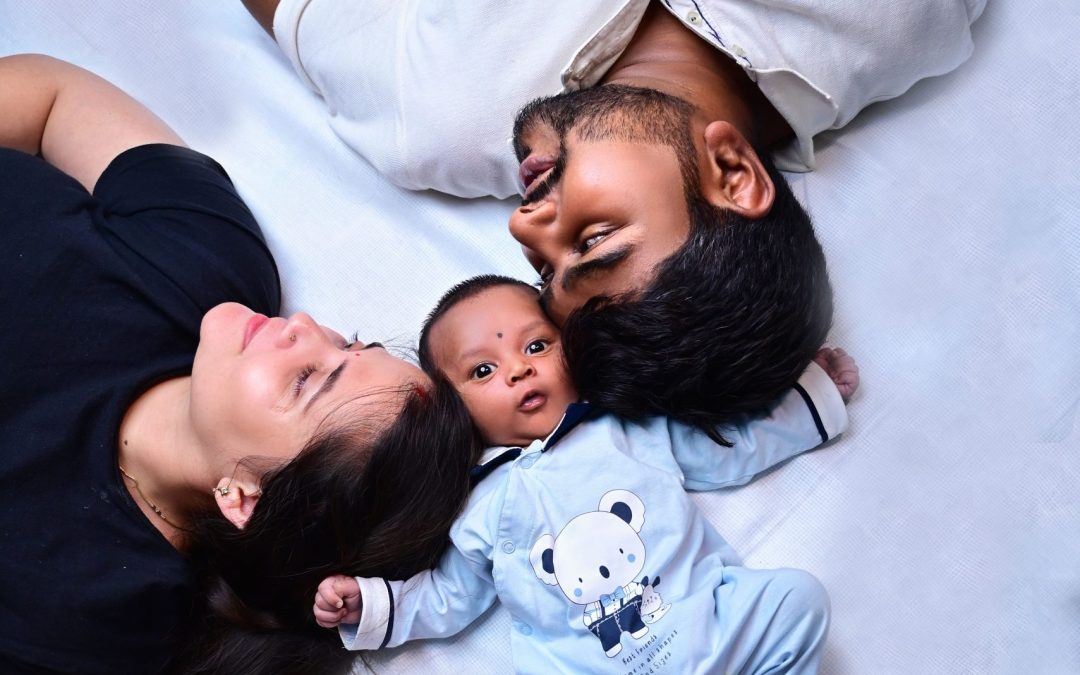
Becoming a parent can change everything. If you were adopted, this major life transition can also bring up new thoughts about your birth or what it means to be biologically connected to someone.
You may feel excited to become a parent while also experiencing grief, anxiety, anger, or curiosity. These reactions do not mean you are unprepared to become a parent. They also do not mean you had an unhappy childhood or do not love your adoptive family.
Let’s discuss why parenthood can bring up feelings about your adoption and how you can support yourself during this new time of your life.
Why Can Parenthood Bring Up Challenging Feelings For Adoptees?
During pregnancy and parenthood, people often reflect on how they were raised and what they want for their own children. For adult adoptees, this reflection may feel complicated depending on how much you know about your birth, your biological parents, and how much access to personal information you have.
For some adoptees, becoming a parent brings greater belonging, security, and connection. For others, it intensifies grief, identity questions, or memories of separation. It’s common to have a mix of all of these emotions as well.
What Challenges Can Adoptees Face During Pregnancy and Parenthood?
Pregnancy and early parenthood may bring adoption-related experiences and questions to the surface. These challenges can include:
- Reconsidering your adoption story: You may feel greater empathy for your biological parents, become angry about past decisions, or develop new questions about your birth and separation.
- Deciding whether to seek more information: You might consider searching for relatives or increasing contact with your birth family. Or you may decide that contact is not right for you.
- Navigating an unknown medical history: Questions about genetic conditions, fertility, mental health, substance use, or postpartum may continually come up during pregnancy.
- Worrying about bonding with your baby: Some adoptees fear that their history will affect their ability to bond.
- Experiencing fears about separation: You may feel reluctant to leave your baby with someone else or become especially alert to rejection or loss.
- Adjusting relationships with your adoptive family: Parenthood may bring greater appreciation for parts of your childhood while also helping you recognize experiences you want to approach differently.
- Setting boundaries with birth and adoptive relatives: Deciding who receives updates, visits the baby, shares information online, or participates in family traditions can prove to be difficult for many adoptees.
- Exploring racial or cultural identity: Transracial and transnational adoptees may want to give their children access to language, traditions, history, and community relationships that they did not have growing up.
There is no right way to feel about your adoption as you become a parent. Experiencing grief, uncertainty, anger, or conflicting emotions does not mean you are ungrateful or unprepared. With the right support, you can navigate these challenges while building a secure, meaningful relationship with your child.

How To Support Yourself During Parenthood As An Adoptee
Make Space for Mixed Emotions
Allow yourself to feel angry, joyful, anxious, connected, and grief-stricken. You do not have to choose one story about your adoption. There is space for multiple truths.
Talk With Your Partner or Support Person
Explain that pregnancy or parenthood may bring difficult feelings to the surface. Let them know how they can support you.
Prepare for Medical Conversations
Write down what you know and what remains unknown about your history. Bring questions to appointments. Ask your provider how they approach missing family medical information and whether there are medical tests you can take to gather more information.
Set Boundaries Before the Baby Arrives
Decide how much information you want to share and who you want involved. Boundaries can be revised as relationships and circumstances change. Parenthood does not obligate you to search, reunite, forgive, or form a relationship with anyone.
Seek Adoptee-Centered Community
If you are experiencing a sense of aloneness, connecting with other adult adoptees can help. Peer support can also help you see how you might want to shape your decisions during the pregnancy and early parenthood process.
Consider Adoption-Aware Therapy
A therapist familiar with adoption can help you explore identity, grief, trauma, family relationships, and parenthood without making assumptions about how you should feel. Our team of therapists at MN Mental Health Consulting offers help for adult adoptees as well as for perinatal mental health.
Therapy Support for Adoptees Becoming Parents in Minnesota
Therapy may be helpful for adult adoptees experiencing anxiety and overwhelm. It’s also helpful if you want support navigating difficult decisions, exploring your identity, or understanding your childhood.
MN Mental Health Consulting provides in-person therapy in Edina and secure telehealth for clients throughout Minnesota. Reach out today to get started.