
Therapy For Depression In Edina & Minneapolis, MN
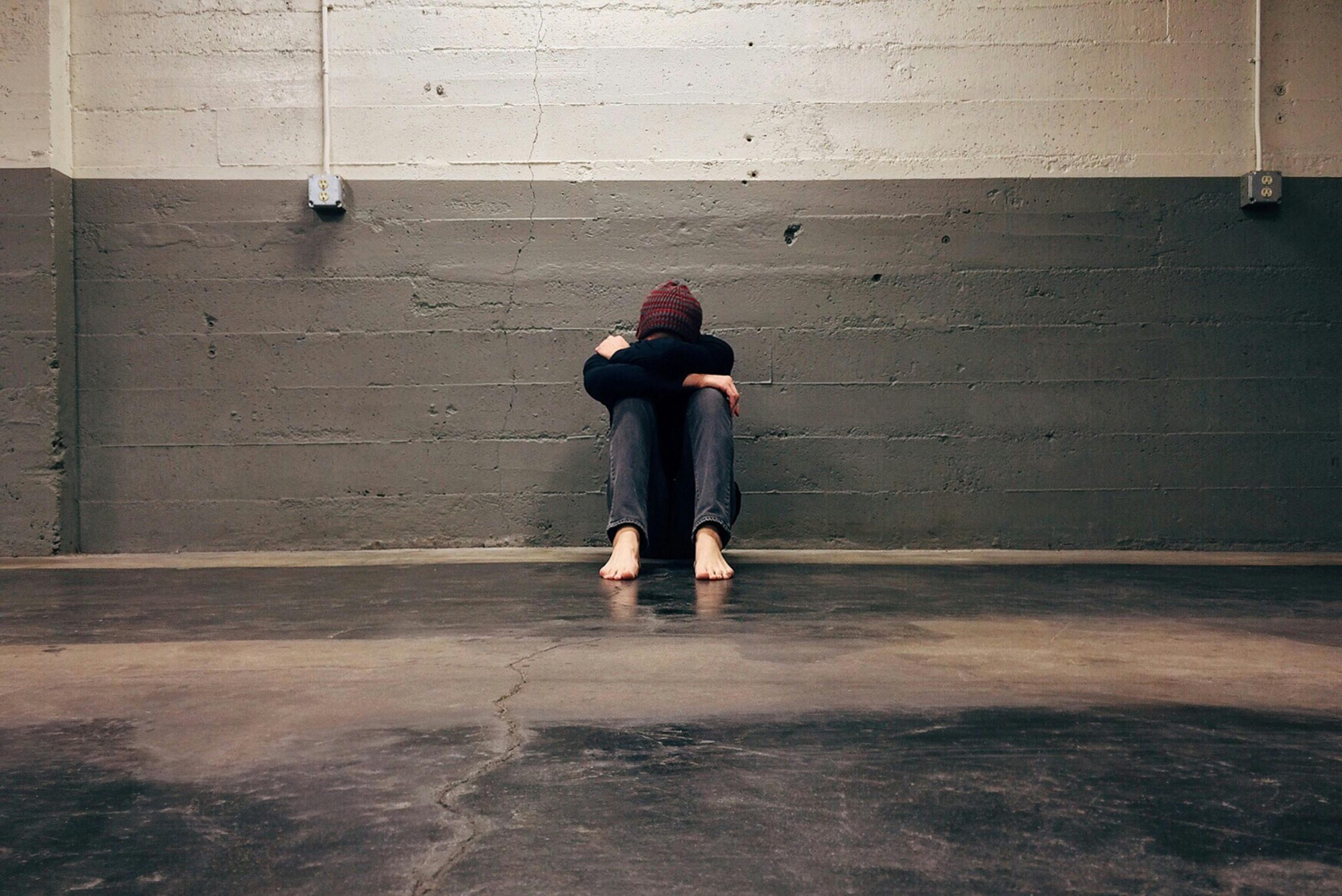
Compassionate Care For Adults & Teens With Depression in Minnesota
Feeling low, overwhelmed, or disconnected can make even the simplest parts of life feel heavy. If you struggle with sadness, a lack of motivation, fatigue, or a sense of hopelessness, you are not alone. Depression is one of the most common mental health issues, and you deserve a space to talk openly, feel supported, and work toward relief at a pace that feels right for you.
At MN Mental Health Consulting, we offer depression treatment for adults and adolescents starting at age twelve. Our therapists provide in-person support in Edina and secure telehealth sessions across Minnesota, allowing you to get care in a way that fits your life and comfort level.
What Is Depression Like?
Depression affects everyone in different ways. Some people feel sad all the time, while others may feel numb or irritable. You might struggle to get out of bed, focus, enjoy activities you used to love, or keep up with work, school, or relationships. Depression can also present physical symptoms like headaches, body aches, changes in sleep, or shifts in appetite.
Regardless of how it affects you, your feelings are valid. Depression is not a personal failure. It is a real condition that responds well to therapy, support, and evidence-based care.
How Our Therapists Support You
Our therapists work with you to understand your symptoms, strengths, and what life feels like beneath the surface. We use methods based on research and compassion. These include supportive talk therapy, cognitive behavioral strategies, emotion-focused work, relationship-based treatment, and mindfulness tools that help you reconnect with your inner resilience.
Together, we will explore the patterns that keep you stuck. We will build healthier ways to handle daily stress, emotional experiences, and difficult moments in life. Our goal is to help you feel more present, empowered, and connected to the people and activities that matter most.

Specialized Depression Care for Teens and Adults In Edina, Minneapolis & Throughout Minnesota
Depression can affect anyone, regardless of age. Teens often have mood swings, pull away from friends, lose motivation, or become more irritable. Adults might feel the need to seem okay while dealing with deep struggles inside. We nurture a supportive space for everyone, including teens aged twelve and older, adults of all ages, couples, families, and new parents adjusting to significant life changes.

When to Seek Help for Depression
Therapy can help if you are experiencing:
-
Persistent sadness, emptiness, or heaviness
-
Loss of interest in things you once enjoyed
-
Difficulty sleeping or sleeping much more than usual
-
Fatigue or low energy
-
Irritability or increased conflict with others
-
Trouble concentrating or making decisions
-
Feelings of guilt or worthlessness
-
Thoughts of self-harm
- Distress from past traumatic events
Reaching out for support is a sign of strength. You do not need to navigate depression alone.
Start Your Healing Process Today
If depression has been affecting your mood, relationships, or daily functioning, we are here to help. Our team will match you with a therapist who understands your needs and provides a warm and responsive space for healing. We serve the good people of Minnesota from our office in Edina, MN, and via telehealth.
Call or text (612) 203-2961 to schedule an appointment or learn more. You deserve care, relief, and support. Let us walk with you as you begin to feel like yourself again.

Frequently Asked Questions About Depression & Therapy
What does depression feel like?
Depression can feel different for everyone. You do not have to match one exact description for your experience to be valid. Some people describe it as deep sadness, while others feel empty, disconnected, exhausted, irritable, or emotionally numb. It’s not uncommon for many people to feel a simmering resentment or to have frequent angry outbursts as part of their depression.
Many symptoms of depression go beyond our emotions and can include low energy, difficulty concentrating, changes in sleep or appetite, withdrawing from others, and losing interest in activities you once enjoyed.
What types of depression are there?
Depression can take several forms. Common types include major depressive disorder, persistent depressive disorder, seasonal affective disorder, postpartum depression, and depression related to bipolar disorder.
Some people also experience depression with anxious distress or symptoms connected to grief, trauma, or chronic illness.
What causes depression?
Depression usually develops through a combination of factors rather than one single cause. Genetics, brain chemistry, trauma, chronic stress, relationship difficulties, grief, medical conditions, hormonal changes, and major life transitions can all play a role. For some people, the long winters in Minneapolis can also play a role.
What is the best therapy for depression?
The best therapy for depression depends on your symptoms, history, preferences, and goals. Cognitive behavioral therapy is often the best approach to address unhelpful thoughts and behavior patterns, while other approaches may focus on depression caused by relationship issues or trauma. Many people benefit from a personalized combination of approaches rather than one method alone.
How do I stop feeling depressed?
You cannot get rid of depression through willpower alone. Small steps such as maintaining a regular sleep schedule, eating consistently, getting outside, moving your body, and staying connected with supportive people may help, but professional treatment is often an important part of recovery. Therapy can help you understand what is contributing to your depression and build realistic strategies for feeling more engaged, hopeful, and emotionally supported.
How do I know if I need therapy for depression?
You may benefit from therapy if your symptoms start to affect your daily life. You do not need to wait until your symptoms become severe to ask for support.
What type of therapy is most effective for depression?
Our team of therapists is highly trained in a variety of approaches, so you can get the best depression treatment for you personally.
There is no single approach that works for everyone, but many of our clients have found CBT, DBT, emotion-focused work, and psychodynamic therapy to be especially helpful. If your depression stems from trauma or grief, we can personalize a treatment plan for you, too. Your therapist will work with you to choose methods that feel appropriate and helpful for your needs.
Can Minnesota winters make depression worse?
Yes. Shorter days, limited sunlight, cold temperatures, and spending more time indoors can affect mood, energy, sleep, and motivation. 5 – 10% of Minnesotans experience seasonal affective disorder. Therapy can help you recognize seasonal patterns and develop ways to care for your mental health throughout the year.
Can I receive depression therapy in person near Minneapolis?
Yes. In-person depression therapy is available at our Edina office, located near Minneapolis and other surrounding Twin Cities communities. The office offers ample parking, wheelchair accessibility, and gender-neutral restrooms.
What should I do when depression feels unbearable?
If you are in immediate danger or believe you may act on thoughts of harming yourself, call 911 or go to the nearest emergency room. You can also call or text 988 to reach the Suicide & Crisis Lifeline. Regular therapy can provide ongoing support, but it is not a substitute for emergency or crisis care.